
Nautilus International has played a central role in highlighting the growing gap between maritime and land-based labour protections, following the launch of a major European report examining working conditions at sea.
The report – Charting the Distinct Rights of Sea Workers in European Waters: A Focus on Decent Working Time – was released by the World Maritime University (WMU) and commissioned by the European Transport Workers' Federation (ETF) and the International Transport Workers' Federation (ITF) at an event in Brussels on 21 May 2026 that brought together trade unions, shipowners and EU representatives to examine the systemic challenges facing seafarers
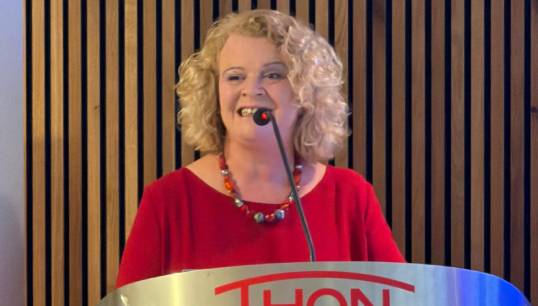
Nautilus International general secretary Sascha Meijer, who is also the seafarers' spokesperson at the EU's Sectoral Social Dialogue Committee for Maritime Transport and chair of the EU Committee of the ETF, opened the launch event by setting out the core issue facing maritime workers across Europe. 'The legal position of seafarers and fishers within the European labour framework is complex and uncertain,' she said. 'Seafarers are excluded from a number of EU directives by virtue of their profession.'
Drawing on more than a decade of experience in maritime negotiations, she challenged long-standing assumptions in the sector. 'When I started negotiating in this sector eleven years ago, shipowners told me that everything is different at sea. That is partially true, but seafarers still have a right to decent work, and to decent hours of work and rest.'
Ms Meijer emphasised that undertaking and releasing the research is significant for the industry. 'In highlighting a number of worrying findings about the effects of this exceptionalism on seafarer health and wellbeing, this research is an important step forward on the path to safer and healthier jobs for seafarers, and to an industry that is more attractive.'
The report documents how seafarers remain excluded from key EU labour protections. It highlights excessive working hours, insufficient rest and weak regulatory coverage compared with other transport sectors.
The seafarer labour rights-gap report also referenced some existing Union research, including the Recruitment and retention of seafarers: A synthesis of study evidence, commissioned by the Nautilus Federation in 2025, which highlighted how poor working conditions and long hours contribute to ongoing workforce shortages and retention challenges across the sector.
Nautilus head of international relations Danny McGowan was part of the report's steering group – made up of European Transport Workers' Federation (ETF) affiliates – that guided the development of the research.
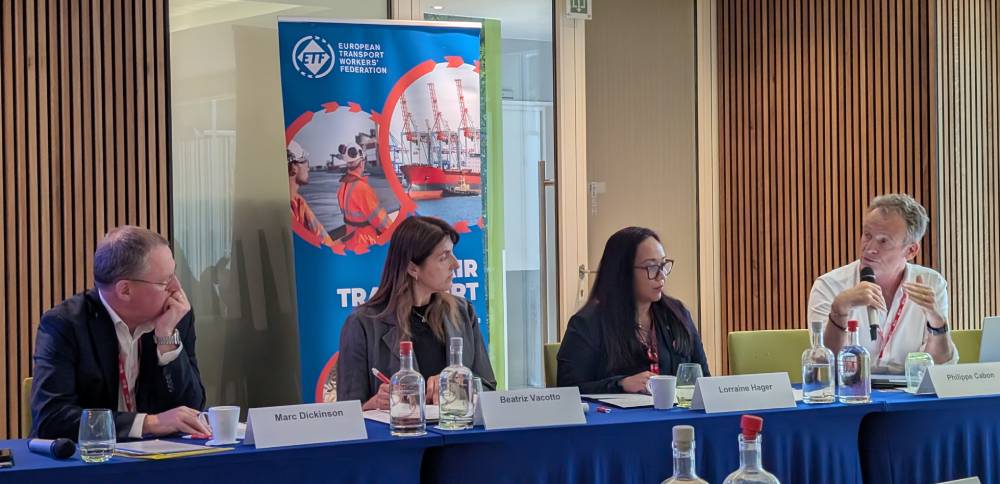
Mr McGowan highlighted key discussions at the Brussels launch, where a panel of experts examined how fatigue is managed in other transport sectors. Chaired by Nautilus Federation director Mark Dickinson, the panel included representatives from the International Labour Organization (ILO), the insurance sector and fatigue risk management specialists.
Comparisons with aviation and rail showed that those sectors have far more developed systems to monitor and assess fatigue. In aviation, fatigue assessment frameworks are applied routinely, with every incident subject to detailed analysis.
By contrast, in maritime operations fatigue is rarely singled out as a direct contributing factor, despite often being recorded under the broader category of 'human factors'. The panel also discussed the role of protection and indemnity clubs, which exist to reduce risks for shipowners, and how risk assessments may not always fully capture the impact of fatigue on seafarers.
Another concern raised during the event was the limited number of formal complaints related to working hours. Mr McGowan noted that 'the number of complaints received by the ILO in relation to hours of work and rest is very low,' pointing out that the enforcement of international standards relies heavily on seafarers reporting violations.
The wider findings of the report reinforce these concerns, documenting long working hours, insufficient rest and gaps in legal protection. Seafarers remain outside several EU labour directives, creating a disparity that unions argue undermines both safety and wellbeing at sea.
For Nautilus, involvement in the steering group and the launch discussions reflects its continued focus on improving conditions for maritime professionals. The Union argues that closing the gap between sea and shore-based workers is essential not only for protecting seafarers, but also for ensuring the long-term sustainability and attractiveness of careers in the maritime sector.
Read the full report here.
Tags
More articles
RFA officers to strike for 24 hours in pay dispute escalation
Royal Fleet Auxiliary (RFA) officers will take 24-hour strike action from 08:00 on Tuesday 9 June 2026 until 07:59 on Wednesday 10 June 2026, maritime trade union Nautilus International has confirmed.
Nautilus backs UN push for Strait of Hormuz humanitarian corridor as 20,000 seafarers stranded
Nautilus International has joined mounting pressure on the United Nations to urgently establish a 30‑day humanitarian maritime corridor in the Strait of Hormuz, allowing stranded seafarers to evacuate safely from the region.