
Why it's nice to splice
Splicing modern ropes, 2nd edition: a practical handbook by Jan-Willem Polman
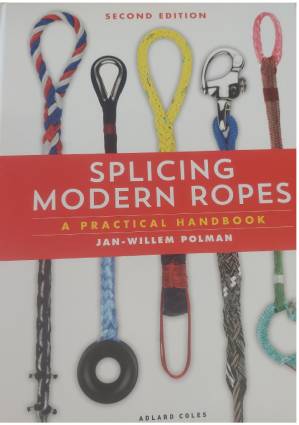 Splicing rope is as an essential skill for seafarers as tying a knot, but some skills are disappearing.
This definitive guide on why splicing gets more from your rope is a great stocking filler for all boaters, whether recreational or commercial.
Competition sailors will learn techniques to optimise deck layout and save weight onboard as well.
The book covers the various materials you need and how to use them onboard, and you can start anywhere in the text, depending on your skill level.
Step-by-step photographs and clear instructions will make you eager to get splicing!
Splicing modern ropes, 2nd edition: a practical handbook
By Jan-Willem Polman
Adlard Coles, £22
ISBN: 978 13994 17266
Buy this book in the Nautilus Bookshop
While you're there, why not browse the rest of the titles in our unique maritime bookshop, which sells all the books reviewed on these pages.
Buy nowMore Books
Back in time to a lost era of craftsmanship
The Vanishing Age of Sail: The Illustrated Journals of Kelsick Wood, Shipbuilder by Simon Francis BrownThe Vanishing Age of Sail offers a richly textured glimpse into 19th-century maritime life through the illustrated journals of shipbuilder Kelsick Wood.
Mersey memories
Mersey Shipping Since 2000, by Ian CollardFor those retired seafarers lucky enough to live at Nautilus Mariners’ Park, every day is a shipspotting day on the River Mersey. But for the rest of us, there’s the picture book Mersey Shipping Since 2000
Women who went from unsung to unstoppable
Seafaring Women Through History by Jo StanleyMaritime historian Dr Jo Stanley is back with a celebration of trailblazing female mariners – blending rich historical insight with contemporary perspectives to reflect on what it means to be a woman working at sea.
Titanic connections: the other ships on the scene
The Titanic Fleet: the ships involved in the Titanic disaster By Richard M. JonesRichard Jones has explored another aspect of the sinking – the stories of 30 other vessels that were connected in some way to the famous liner.