
- Topics
- Campaigning
- Careers
- Colleges
- Community
- Education and training
- Environment
- Equality
- Federation
- General secretary message
- Government
- Health and safety
- History
- Industrial
- International
- Law
- Members at work
- Nautilus news
- Nautilus partnerships
- Netherlands
- Open days
- Opinion
- Organising
- Podcasts from Nautilus
- Sponsored content
- Switzerland
- Technology
- Ukraine
- United Kingdom
- Welfare
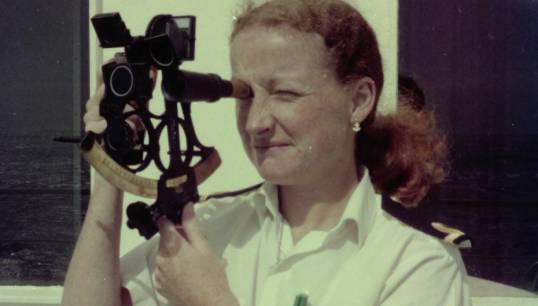
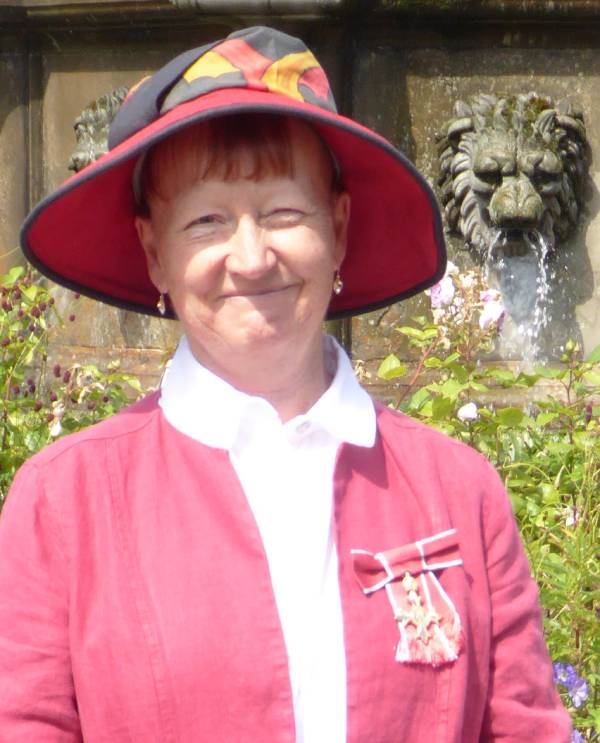
Dr Nina Baker OBE was one of our Union's female officer pioneers of the 1970s – and spent her later shore career boosting other women involved in science, engineering and technology careers. Now known as an author and historian, she has returned to her Merchant Navy roots for her latest book, as she tells Sarah Robinson
'I can't remember a time when it wasn't what I wanted to do.' So says Nina Baker, reflecting on what made her take up a career as a Merchant Navy deck officer. There are plenty of other Nautilus members who might say the same, but what makes Dr Baker exceptional is that she first had these thoughts in the 1960s – a time when there weren't any British female officers.
Her fascination with ships had been nurtured through reading and her involvement in the Sea Rangers, then part of the Girl Guides. No one had specifically said she couldn't become a seafarer, so in the early 1970s, young Nina decided to take the plunge.
Starting out in shipping
'I guess I was lucky with the timing,' she reflects. 'Women's Lib was coming in, legislation was making things easier for women up in the workplace, and the Suez Canal shut because of the Arab Israeli war. And because of that, all the ships that wanted to go to the Middle East and Far East, instead of going through the Suez Canal, they had to go around the Cape of Good Hope, which is a much longer trip.
'So you needed more ships, and you needed more people onboard the ships. And all the shipping companies were hastily looking around for where they could find people, particularly for officers.
'I went along to the Shipping Federation, and somebody there kind of took me on as a project. He went round various shipping companies to see if there was anybody who was likely to give me a chance, and eventually, BP tankers took me on as a deck cadet in 1972. I also joined to the Merchant Navy and Airline Officers' Association, as Nautilus was then, because everyone had to – it was a closed shop!'
College challenges and sea success
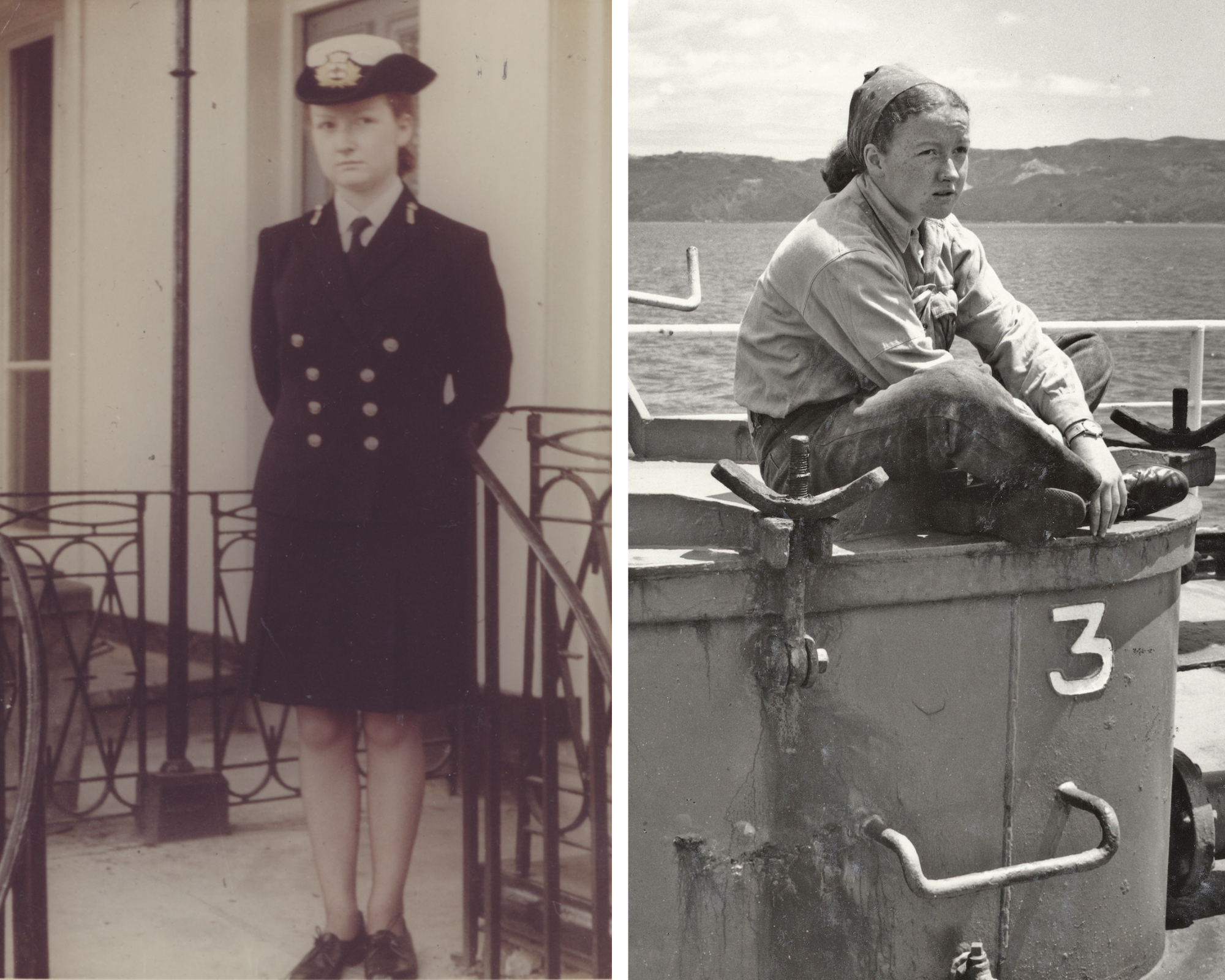
If the industry was ready to recruit women, its institutions were less prepared to accommodate them. At her nautical college in Plymouth, the aspiring officer found that there were no facilities for female cadets, so administrators improvised, assigning her a double cabin and reserving an entire bathroom for her sole use.
The greater challenge, however, came from her peers. While staff were supportive, Dr Baker's all-male classmates were 'very, very hostile', making her college phases far more difficult than her sea time – which was 'not a problem whatsoever'.
With characteristic drive and determination, the pioneering cadet gritted her teeth and completed her training, earned her second mate's ticket, and spent seven years at sea, working her way up through the ranks. Her career included time with BP, cargo voyages with Bibby Brothers, and a final posting as first mate with Cable and Wireless, laying undersea telephone cables.
A science and engineering career ashore
'I then left the sea to get married,' she explains. 'This was arguably not the best decision I ever made, but never mind! Eventually, in my early 30s, I went to Warwick University and did an engineering design degree as a mature student. I then did a PhD at Liverpool in building materials, and around that time, I met the guy who is now my husband. So we've been together a long time and we've had two kids.'
Dr Baker's professional life became a blend of research, administrative roles, and advocacy. She worked at universities, supported women returning to careers in science and engineering, and was elected to Glasgow City Council, serving as a councillor for a decade. Throughout, she maintained a strong interest in uncovering the hidden contributions of women in technical fields.
Telling Merchant Navy women's wartime stories
It was this curiosity that ultimately led to her latest project. Passing daily through Glasgow's city chambers, Dr Baker became intrigued by the Merchant Navy Roll of Honour – three leather-bound volumes listing those lost at sea during the wars. 'We don't do anything about this,' she remembers thinking. Her initiative helped establish an annual memorial event on Merchant Navy Day where cadets read aloud selected names.
Yet the stories behind the names remained largely untold, and Dr Baker was particularly drawn to the women's names. Using her academic skills, she began painstakingly combing through the volumes, identifying and researching the women listed within them.
She found that, of the roughly 90 women who died in the British Merchant Navy during the two world wars, most served as stewardesses – the only role widely available to women at the time. Their duties placed them in extraordinary danger. When disaster struck, while most crew headed for lifeboats, stewardesses moved in the opposite direction – down into the lower decks to guide passengers to safety. 'They were often the last into the boats, or not in the boats at all,' Dr Baker notes.
The research has now been published in Supposed Killed or Drowned by Enemy Action at Sea, a book which focuses particularly on 17 women with Scottish connections, offering detailed biographies alongside a complete list of those who perished.
The author hopes that her work will be used to enhance Merchant Navy memorial services throughout Scotland, but there is also a broader appetite for such stories, as demonstrated by the industry project Rewriting Women into Maritime History.
Although technically retired from both her sea and shore roles now, Nina Baker still has great enthusiasm for writing and speaking about female seafarers, and is taking part in events being held around Women in Maritime Day on 18 May 2026. And although times have changed a great deal since she went to sea, she says she would still recommend the career to young women as a perfect outlet for their energy, intelligence and 'can-do spirit'.
Tags