
Nautilus International calls for seafarer protections as Middle East conflict disrupts key shipping routes
2 March 2026
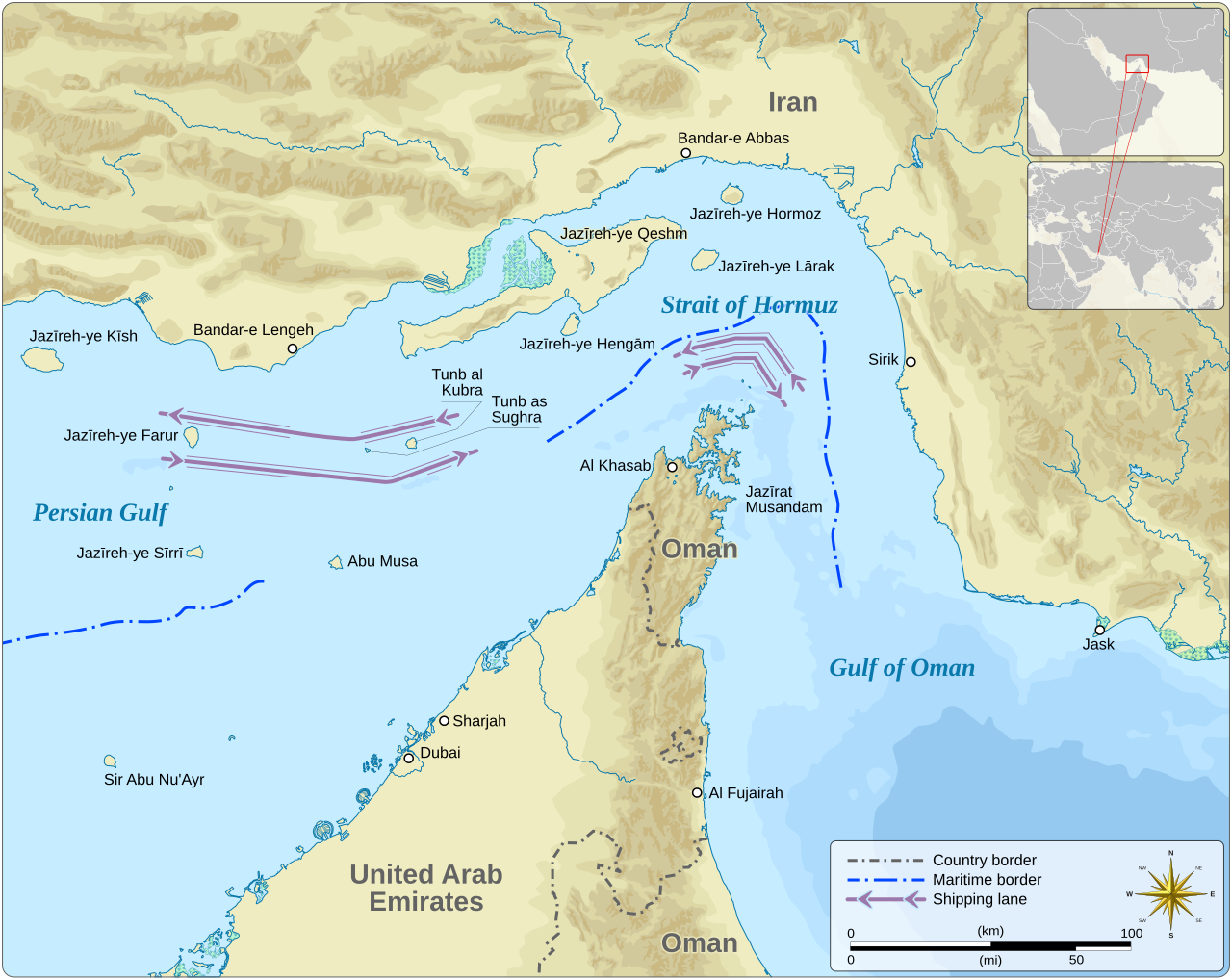
Nautilus International is gravely concerned by the rapid deterioration in security across key maritime routes in the Middle East, including the Strait of Hormuz, because of escalating military conflict in the region.
The Strait of Hormuz is one of the world’s most critical maritime chokepoints, and recent reports of military activity, attacks on vessels, and disruption to commercial shipping underline the serious and immediate risks now faced by our members and all seafarers operating in or near these waters. Even where formal closure has not been universally confirmed, the combination of heightened military presence, conflicting communications to vessels, and rising insurance and war-risk classifications is already having a chilling effect on safe navigation.
Seafarers are once again being placed in the front line of geopolitical conflict over which they have no control. They are being asked to continue working in conditions of extreme uncertainty, with real and credible threats to their safety, wellbeing and livelihoods.
Commenting on the situation, Nautilus International general secretary Mark Dickinson said:
“Seafarers are not expendable, and they must not be treated as collateral damage in regional or international conflicts. The current situation in and around the Strait of Hormuz represents a serious escalation for those working at sea, many of whom are simply trying to do their jobs and wish to return home safely. Their safety must come first, and that means clear information, robust protections, and the unequivocal right to refuse to sail into warlike or unsafe zones without fear of penalty.”
Shipowners, flag states and ports states must ensure that the rights enshrined in the International Labour Organizations’ (ILO) Maritime Labour Convention (MLC), 2006, are respected and maintained for all seafarers.
Nautilus International reiterates that seafarers must be:
· fully and promptly informed of all known risks before entering war zones or areas of warlike activity;
· provided unhindered right to repatriation and transit should they decline to enter zones or areas of heightened risk;
· protected from disciplinary action, loss of pay, impact on insurance, or detriment where safety decisions are taken in good faith;
· supported with appropriate security measures, welfare provisions, and access to assistance where voyages are disrupted.
Nautilus International also stresses the importance of co-ordinated and transparent communication from flag states, port states, shipowners, and maritime authorities.
Tags